Maryland does not get the same recognition as Northern California when it comes to cannabis cultivation, but it probably should. The state sits in a genuinely advantageous position for growing, with a frost-free season that stretches at least seven months, warm summers with strong UV exposure, and nearly 3,000 miles of coastline along the Atlantic Ocean and Chesapeake Bay. Those coastal breezes and humidity levels create natural growing conditions that are difficult to replicate mechanically.
From a climate standpoint, Maryland occupies a useful middle ground. It avoids the extreme cold of Northeastern states and the punishing heat and humidity of the South, giving cultivators a long, workable growing season without the weather volatility that can compromise a harvest.
Key Takeaways
- Maryland’s climate sits between the extreme cold of the Northeast and the intense heat of the South, creating a long and workable growing season
- The state has a deep agricultural history, with family-owned farms making up 81 percent of total operations
- Sandy loam, silt loam, and clay loam soils throughout Maryland provide strong drainage, root aeration, and nutrient availability for cannabis crops
- The Chesapeake Bay contributes nutrient-rich sediments and coastal conditions that support healthy cultivation
- Maryland’s moderate winters and summers make it well-suited for greenhouse cannabis cultivation and multiple harvests per year
- Growing environment directly influences the terpene and cannabinoid profile of finished cannabis flower
Maryland’s Agricultural History
Long before cannabis entered the picture, Maryland had already established itself as serious agricultural country. Tobacco was one of the state’s dominant cash crops as far back as the 1700s, carrying a reputation not unlike what Humboldt County cannabis carries today.
That agricultural strength extends well beyond any single crop. Maryland produces corn, soybeans, wheat, watermelons, peaches, and a wide variety of grapes across more than 850,000 square feet of active farmland. The state’s total agriculture industry is valued at nearly $8 billion, with poultry farming alone accounting for roughly 40 percent of that figure, making Maryland one of the largest broiler chicken producers in the country.
The human side of Maryland farming is worth noting too. Eighty-one percent of Maryland farms are family-owned, and close to 200 are certified organic. When recreational cannabis became legal in Maryland, the state was already well-positioned to support a serious cultivation industry.
Soil & Microclimates
Maryland’s growing advantages go beyond weather. The soil throughout the state, particularly in the Eastern Shore and Central regions, consists primarily of three types: sandy loam, silt loam, and clay loam. These are considered among the most productive soil compositions for agriculture, offering an effective balance of drainage, root aeration, and nutrient availability. Loam soils in particular allow root systems to expand freely while maintaining access to the minerals plants need to develop fully.
The Chesapeake Bay adds another layer of benefit. The nutrient-rich sediments and coastal winds that come with thousands of miles of shoreline enrich the soil with minerals that support healthy plant development, including potassium, calcium, and a range of trace minerals that contribute to the overall quality of a crop.
For cannabis specifically, these soil conditions can support the development of more complex terpene and cannabinoid profiles. The minerals and microorganisms present in quality loam soil influence how a plant develops at the molecular level, which is part of what gives regionally grown cannabis its distinct character.
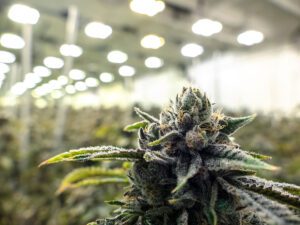
Greenhouse Cultivation in Maryland
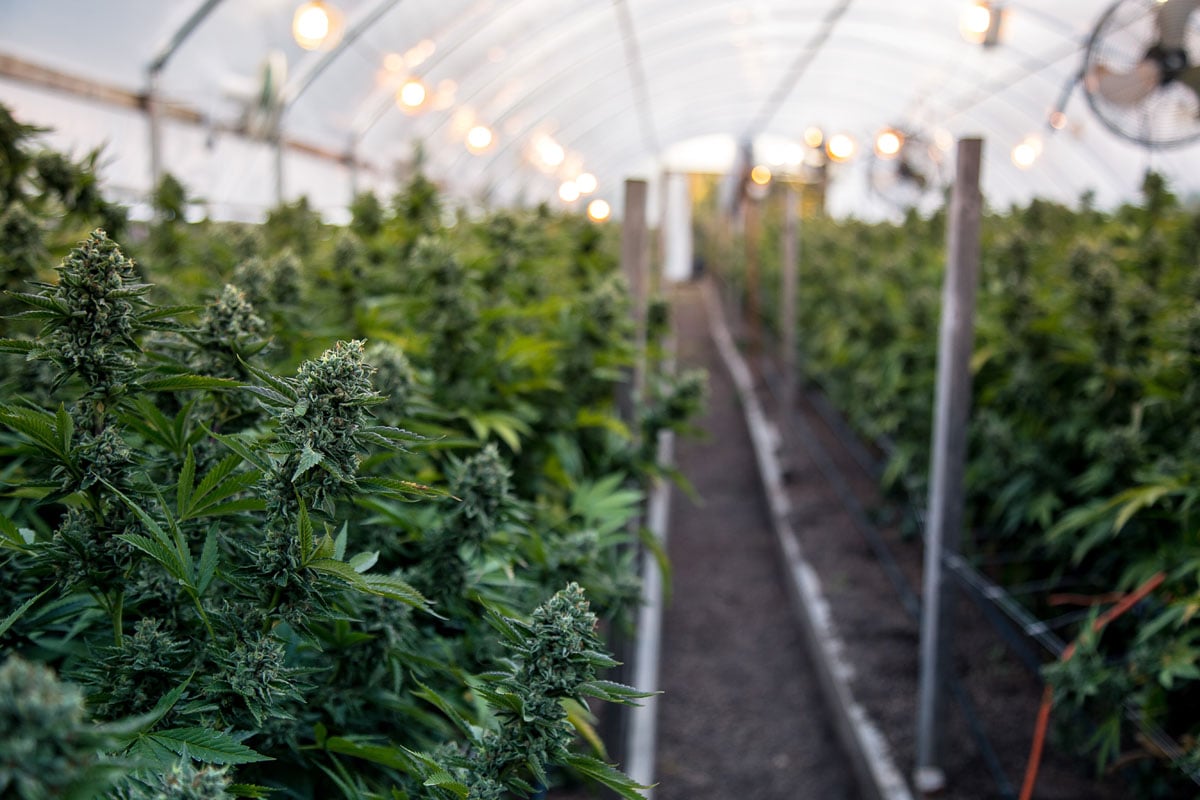
Maryland’s climate also makes it a strong candidate for greenhouse cannabis cultivation, particularly compared to markets both north and south of the state.
Summer temperatures in Maryland average in the mid-70s to low 80s Fahrenheit. That range is warm enough to support vigorous plant growth without the heat stress that causes buds to develop airy and underdeveloped structures. Cultivators working in true Southern climates often have to manage around temperatures that work against flower density and terpene preservation.
On the other end of the calendar, Maryland winters are cold enough to naturally suppress many of the pest pressures that greenhouse operators contend with, but rarely cold enough to threaten plant health outright. Temperatures generally hold between 30 and 45 degrees Fahrenheit through the coldest months, dropping into single digits only in rare instances. With appropriate heating and nutrient management, Maryland winters are far more manageable for greenhouse operations than what cultivators face in the Northeast.
The result is a state where multiple harvests throughout the calendar year are a realistic possibility for greenhouse cultivators, which is a significant operational advantage in a competitive market.
What Maryland Terroir Means for the Consumer
Terroir is a concept borrowed from wine, describing how a plant’s growing environment shapes its final characteristics. In cannabis, the same principle applies. Soil composition, climate, humidity, light exposure, and water source all influence the terpene and cannabinoid profile of the finished flower.
Maryland-grown cannabis benefits from mineral-rich loam soil, consistent coastal humidity, and a growing season that supports thorough plant development.
Those conditions contribute to flower with well-developed terpene profiles and cannabinoid content that reflects the quality of the growing environment. At Peake Releaf, we source and carry cannabis that reflects those standards.
FAQ
- Is Maryland a good state for growing cannabis?
Yes. Maryland’s frost-free growing season, moderate climate, loam-rich soil, and coastal conditions along the Chesapeake Bay and Atlantic create a strong natural environment for cannabis cultivation.
- What is cannabis terroir?
Terroir refers to how a plant’s growing environment, including soil, climate, humidity, and water source, shapes its flavor, aroma, and chemical profile. In cannabis, terroir influences terpene development and cannabinoid content.
- What type of soil is best for cannabis cultivation?
Loam soils, including sandy loam, silt loam, and clay loam, are widely considered ideal for cannabis. They balance drainage, aeration, and nutrient retention effectively.
- How does the Chesapeake Bay affect cannabis growing in Maryland?
The bay contributes coastal humidity, wind patterns, and nutrient-rich sediments to the surrounding soil, all of which support healthy plant development and influence the mineral content available to crops grown in the region.
- Is greenhouse cannabis cultivation viable in Maryland?
Yes. Maryland’s mild summers and manageable winters make it one of the more practical states for year-round greenhouse cultivation, supporting multiple harvests annually with proper climate management.
Experience Maryland-Grown Cannabis at Peake Releaf Cannabis Dispensary
The environment a cannabis plant grows in shapes everything about it, from aroma and flavor to the overall experience it produces. At Peake Releaf, we take the sourcing and quality of our products seriously. Stop in and let our team help you explore what Maryland-grown cannabis has to offer.
And don’t miss the latest episode of Peake Releaf’s industry roundtable series Full Spectrum! Host Abaynesh Girma sits down with a panel of commercial cultivation managers and legacy home grow experts to talk about what it takes to run a high-performing cannabis grow.
DISCLAIMER: The contents of this blog are intended for informational purposes only. Always seek the advice of a physician or other qualified healthcare provider with any questions you may have regarding a medical condition.